
Why Second and Third-Generation Travelers Are Returning to East Africa and India
Many families who left East Africa and India for the UK, USA, and Canada still hold powerful emotional ties to the places their stories began. These memories are preserved in old family albums, shared stories, and the quiet pride evident in every generation. Moreover, the children and grandchildren of those who migrated now feel a strong pull to return. They want to see the towns that shaped their families, understand the sacrifices behind their journey, and connect with their roots.
“Back to Your Roots” travel is growing because it feels personal. It helps travelers honour their heritage, appreciate their identity, and find meaning in their family’s past. This journey is not only about sightseeing. It is about understanding who they are.
Why East Africa and India Remain Deeply Meaningful
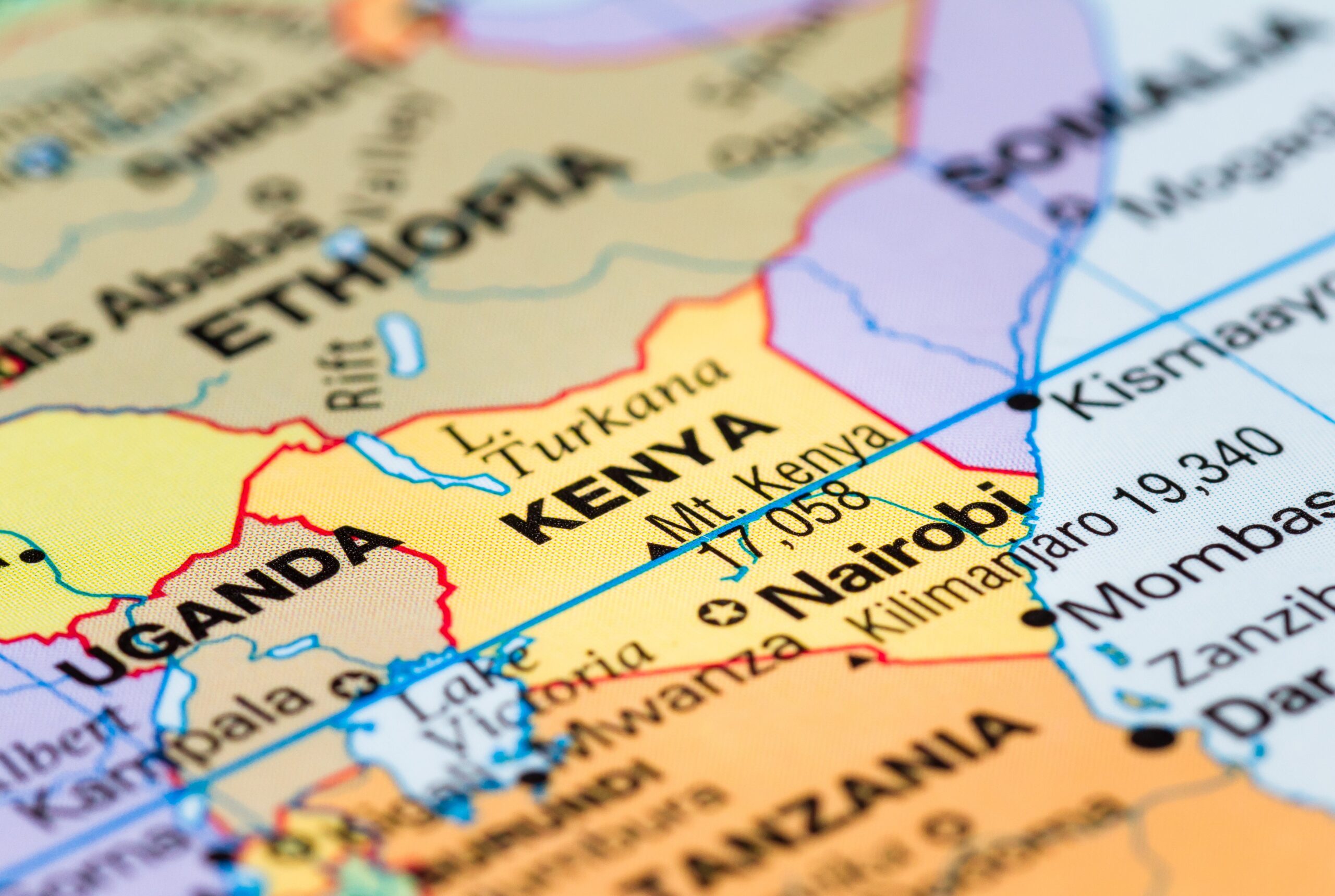
East Africa once held vibrant Indian communities across Kenya, Uganda, and Tanzania. Many families lived here for generations. They built businesses, homes, temples, and schools. However, political transitions—especially the 1972 Ugandan expulsion—forced thousands to leave with little warning. Many resettled in the UK, USA, and Canada, where they rebuilt their lives with strength and grace.
India holds even older roots. It is where the migration story began. Returning to India allows travelers to explore ancestral villages, family temples, and cities filled with familiar scents, flavours, and traditions.
Now, second and third-generation travelers are returning to both East Africa and India to reconnect with those missing chapters.
KENYA
1. Mombasa
Mombasa carries one of the strongest Indian legacies in East Africa. Indian merchants arrived here long before the railway era and shaped the city’s trade and culture. Families lived in Old Town, where narrow lanes still echo with memories of Gujarati and Swahili voices. Later, political changes pushed many to migrate to the UK, USA, and Canada. Returning travelers walk these streets with emotion. They visit old temples, family shops, and community areas that once shaped their identity.
2. Nairobi
Nairobi became the heart of the Indian railway community. Families arrived to build the Uganda Railway and later established businesses across the growing city. They helped shape modern Kenya with courage and hard work. However, many left during uncertain times. Today, travelers return to reconnect with temples, community halls, and historic neighborhoods. Nairobi’s modern energy blends beautifully with its rich Indian heritage.
3. Kisumu
Kisumu sits on the shores of Lake Victoria and once held a vibrant Indian commercial community. Families managed shops, mills, and transport services. When migration waves swept through the region, many moved abroad. Now, travelers return to visit the old markets, peaceful lakeside areas, and temples that stand as quiet reminders of their family’s story.
UGANDA
1. Kampala
Kampala holds deep emotional weight because of the 1972 expulsion. Indian families lived successful, peaceful lives here before they were told to leave within 90 days. Many reached the UK, USA, and Canada as refugees. Returning to Kampala feels powerful for their descendants. They visit community centres, temples, and family neighborhoods. Every corner holds stories of resilience and strength.
2. Jinja
Jinja once had strong Indian influence through industry and trade. Families owned factories, mills, and beloved local shops. They left everything behind during the expulsion. Today, travelers walk through the old streets, visit the source of the Nile, and reconnect with a chapter their grandparents rarely spoke about openly.
3. Mbale
Mbale was a peaceful community shaped by Indian traders and professionals. Their presence is still visible in its architecture and markets. After 1972, the once-strong community scattered across the world. Travelers now visit Mbale to quietly reflect, learn, and understand the lives built and lost here.
TANZANIA
1. Dar es Salaam
Dar es Salaam welcomed one of East Africa’s largest Indian populations. Families built businesses, homes, and cultural centres that shaped the city’s identity. Even after migration, many ties remain strong. Travelers return to visit temples, old neighborhoods, and coastal markets filled with familiar flavours.
2. Zanzibar
Zanzibar blended Indian, Arab, and Swahili cultures beautifully. Indian merchants influenced Stone Town’s trade and architecture. Migration later shifted the community, but its footprint remains. Returning visitors explore spice farms, historic alleys, and family landmarks. The island feels warm, nostalgic, and deeply meaningful.
3. Arusha
Arusha offered Indian families a calm, community-driven life in the highlands. They managed shops, farms, and transport services. Today, travelers return to see the markets, temples, and familiar landscapes their elders once described with affection.

INDIA
Returning to India feels emotional for many. Although their families left generations ago, India still holds the cultural roots, traditions, and values that shaped their identity. Travelers want to see where the journey began before it continued to East Africa and then to the West.
Below are the key cities often visited on heritage journeys.
1. Ahmedabad, Gujarat
Ahmedabad holds deep importance for families whose ancestors later moved to East Africa. Many migrants came from Gujarat during the late 19th and early 20th centuries. They carried their skills in trade, business, and craftsmanship. When travelers return, they visit ancestral neighborhoods, stepwells, temples, and textile markets. The city feels familiar even if they have never been before. It offers colours, flavours, and traditions that echo their identity.
2. Porbandar
Porbandar is a coastal city that once sent traders across the Indian Ocean to East Africa. Many families built their futures from this port. Travelers feel emotional when they stand near the old docks. They imagine the long journeys their ancestors made. The town’s peaceful atmosphere makes the visit reflective and meaningful.
3. Bhuj & Kutch Region
Many East African Indians trace their heritage back to Kutch. Families lived in small villages and strong community networks. Returning travelers visit family homes, temples, and craft villages that preserve old traditions. Moreover, the region’s simplicity helps travelers feel grounded and connected to their cultural roots.

Why This Journey Stays With You Forever
A heritage journey across East Africa and India does more than show you beautiful places.
It gives you answers, gives you understanding and connection.
You walk the same streets your family walked, see the landscapes they once loved, and understand their courage, sacrifice, and determination.
Most importantly, you come home feeling rooted, proud, and whole.